Practical Decisions That Keep Your Furnace Running When It Matters Most
Homeowners planning a furnace repair should first assess the system’s recent behavior and the age of key components. Strange noises, short cycling, or uneven heating point to different root causes. In practice, capturing a brief log of symptoms, time of day, and thermostat settings helps a technician isolate faults faster. That preparation shortens diagnostic time and supports smarter choices about repair versus replacement.
Next, scope the service visit by defining access points, utility shutoffs, and any past work that might affect today’s fix. Often, a simple diagram or photos of the furnace room clarify clearances and code-related spacing. Technicians appreciate knowing whether a humidifier, air cleaner, or zoning panel ties into the cabinet. This context reduces surprises, ensuring the repair can be safely staged without idle trips for parts.
Meanwhile, budget planning benefits from separating immediate safety items from performance upgrades. Cracked heat exchangers, gas leaks, and failing controls deserve priority. Beyond that, items like blower calibration or filtration improvements can be scheduled during shoulder seasons. This phasing helps smooth costs and prevents peak-season delays. Think of the furnace as part of a wider HVAC ecosystem that also includes ventilation, filtration, and duct integrity.
Before work begins, verify basic airflow and filter status. A clogged filter can mimic bigger failures by stressing blowers and heat exchangers. Then confirm thermostat placement and programming, since errant set points can trigger short cycling. Small checks often reveal simple corrections that restore reliability. If deeper issues persist, be ready to authorize diagnostics such as combustion analysis, static pressure measurement, and electrical testing.
During diagnostics, document findings like fault codes, flame characteristics, and motor amperage. These data points help validate the chosen repair path and create a baseline for future tune-ups. Technicians may adjust gas pressure or calibrate blower speeds to match duct capacity. Sequencing each task—test, adjust, retest—builds confidence that symptoms are resolved rather than masked, minimizing repeat visits when winter demands peak output.
When selecting parts, align choices with manufacturer specifications and regional fuel types. Generic components sometimes introduce inefficiencies or noise. It’s wise to ask how the replacement affects warranty terms and long-term serviceability. In some homes, a recurring failure suggests upstream duct issues or improper venting that a part swap won’t fix. Addressing the system holistically avoids rework and supports steady comfort throughout the season.
After repairs, validate results by confirming temperature rise, verifying flame sensor response, and inspecting safeties like limit switches. Then review filter size, MERV rating, and change intervals to protect the blower and heat exchanger. If the home struggles with dust or odors, consider how Indoor Air Quality Services can complement the repair. Measured improvements—clear registers, steady cycles, and consistent room temperatures—indicate the system is back on track.
Seasonal timing matters because supply chains, weather, and appointment windows vary. Early fall is excellent for thorough maintenance, while emergency fixes spike during cold snaps. If repeated breakdowns occur, it may be time to discuss Furnace Installation and Repair versus incremental fixes. A methodical comparison that weighs age, efficiency, and downtime risk will guide a decision that balances comfort and cost.
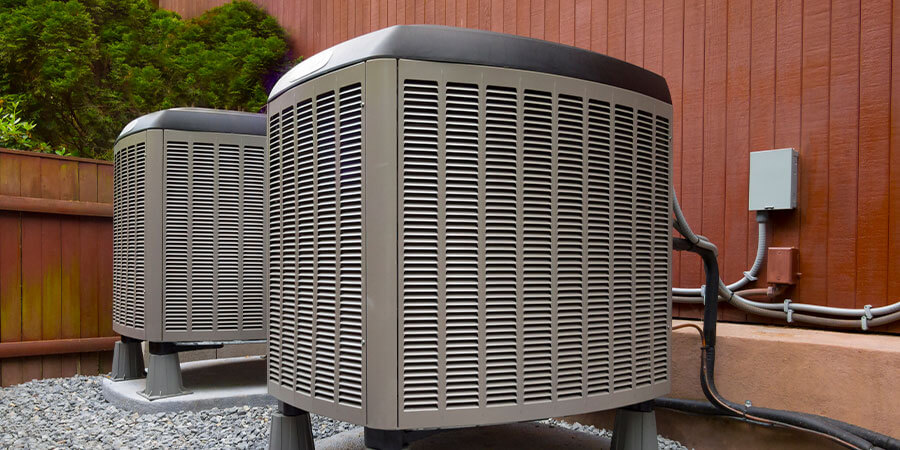
In mixed-climate homes, integrating equipment choices can stabilize comfort and utility bills. Heat Pump Installation can supplement the furnace during mild weather, while Ductless AC Installation solves comfort gaps in additions or finished basements. AC Installation and Repair also ties into airflow and duct performance, which influence heating outcomes. Treating these as interdependent services yields quieter operation and more predictable temperatures.
Finally, maintain a simple record of service dates, replaced parts, combustion readings, and static pressure. This living file helps future technicians refine their approach and catch trends early. Set reminders for filter changes and annual checkups, and ask for plain-language notes after each visit. With steady upkeep and clear documentation, the furnace remains dependable, efficient, and ready for the next cold front.